Jet A-1 and diesel fuel are both intermediate distillate products derived from crude oil. However, their similar origin does not mean they serve the same operational requirements.
Diesel is a strategic fuel providing high efficiency in land transportation, logistics, agriculture, industry, and heavy vehicle operations. Jet A-1, on the other hand, is designed for very different conditions: high altitude, low temperature, and extremely limited fault tolerance.
Commercial aircraft operate at altitudes of approximately 35,000–40,000 feet (10–12 km), and ambient temperatures can drop to -50°C. In these conditions, it is critical that aviation fuel maintains its fluidity, delivers reliable performance, and operates smoothly in engine systems.
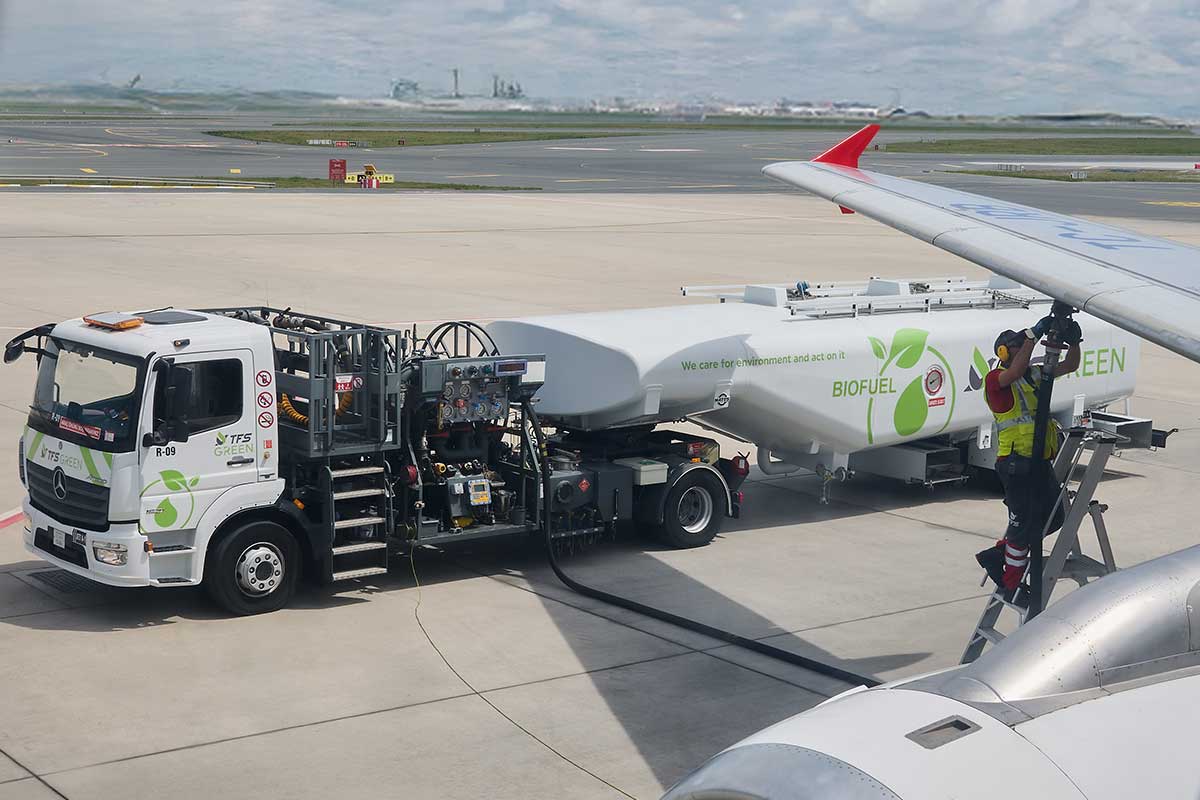
Therefore, Jet A-1 is evaluated based on criteria such as its low freezing point, stable combustion characteristics, high energy density, and consistent quality. Every stage, from production to storage, transportation, and aircraft refueling, is managed according to international standards, sample analyses, quality controls, and operational procedures.
In road transport, many risks can be managed by stopping the vehicle at a safe point. In aviation, however, the possibility of intervention after the operation has started is much more limited. Therefore, the quality and integrity of the fuel are considered one of the fundamental elements of flight safety.
Both fuels are managed according to quality standards specific to their respective applications. However, the extremely limited tolerance for errors in aviation operations makes the quality control and operational assurance processes applied to Jet A-1 even more critical.